If you want to sell your Lakeville home smoothly, the work starts before the listing goes live. In a market where homes are still moving in about a month and buyers are watching price and presentation closely, small details can shape your results. The good news is that a clear plan can help you feel more confident, stay organized, and avoid last-minute stress. Let’s walk through a practical seller prep checklist from listing to closing.
Understand the Lakeville selling timeline
Lakeville remained a competitive market in mid-2026. Redfin reported a median sale price of $499,151, about 32 days on market, and roughly two offers per home on average. Realtor.com’s June 2026 snapshot showed 652 homes for sale, a median of 37 days on market, and a 100% sale-to-list ratio.
Those numbers point to an important takeaway for sellers. Homes are still moving, but accurate pricing and strong presentation matter. If you want a clean launch, it makes sense to start your prep about 4 to 6 weeks before listing, and even earlier if you need repairs or vendor scheduling.
For timing, the Minneapolis-St. Paul-Bloomington metro had a 2026 best-time-to-sell peak around March 15. That does not mean you can only sell in spring, but it does show how seasonal timing can affect activity. If your move is flexible, planning ahead can give you more options.
Start with your pre-listing paperwork
One of the smartest things you can do early is gather your documents in one place. This step saves time later and helps you answer buyer questions with confidence. It also makes your listing process feel much more manageable.
In Minnesota, sellers of residential real property must provide a written seller disclosure before signing a purchase agreement. That disclosure covers material facts you know that could adversely and significantly affect an ordinary buyer’s use and enjoyment of the property. This requirement applies to several transfer types, including standard sales.
If your home was built before 1978, federal law also requires lead-based paint disclosure if you know of hazards. Buyers must receive the required pamphlet and have an opportunity to inspect for lead hazards before the contract is signed. This is a routine part of the process for older homes, so it is best to prepare it early.
Gather these records before listing
A practical Lakeville seller packet often includes:
- Minnesota seller disclosure paperwork
- Radon information, including any past test results or mitigation details
- Lead-based paint disclosure documents for pre-1978 homes
- Permit history and final inspection sign-offs for major work
- Survey, if available
- Warranties and manuals for recent repairs or replacements
- Tax statements, valuation notices, or parcel details you may want handy
Dakota County property records can help you pull tax statements, valuation notices, property sketches, and parcel information. Having these ready can make your home feel better documented and easier for buyers to evaluate.
Check radon and environmental disclosures
Minnesota requires radon disclosure as part of a home sale. If you have any known radon information, test records, or mitigation details, those need to be disclosed. Sellers must also provide the Minnesota Department of Health brochure.
Testing is not required to sell, but the Minnesota Department of Health says testing is highly recommended. If your home has never been tested, doing it well before listing can help reduce surprises during negotiations. Real-estate radon tests are normally done under closed-house conditions for at least 48 hours.
If you want an unbiased third-party result, the state recommends using a licensed radon professional. This can be especially helpful if you expect buyers to ask detailed questions. A little preparation here can support a smoother inspection period later.
Review permits and past projects
Buyers in Lakeville may examine permit records to confirm that proper permits and inspections were obtained. That means your pre-listing prep should include a quick review of major updates and whether the paperwork is complete. Missing permit records can create extra questions during the sale.
According to the City of Lakeville, permits are required for many construction, alteration, repair, and system-replacement projects. Cosmetic updates like cabinet replacement, carpet, wallpaper, or redecorating without structural change are generally exempt. Common seller projects that often trigger permits include re-roofing, decks, fences, pools, basements, egress windows, porches, and accessory structures.
Double-check these common items
Before listing, review whether you have records for:
- Roof replacement
- Deck or porch work
- Fence installation
- Basement finishing
- Egress window installation
- Pool installation
- Accessory buildings or sheds
- Major system replacements
If you completed any of these projects, it helps to have receipts and final inspection documents ready. That kind of organization can build buyer confidence and reduce avoidable back-and-forth.
Focus on the prep that buyers notice
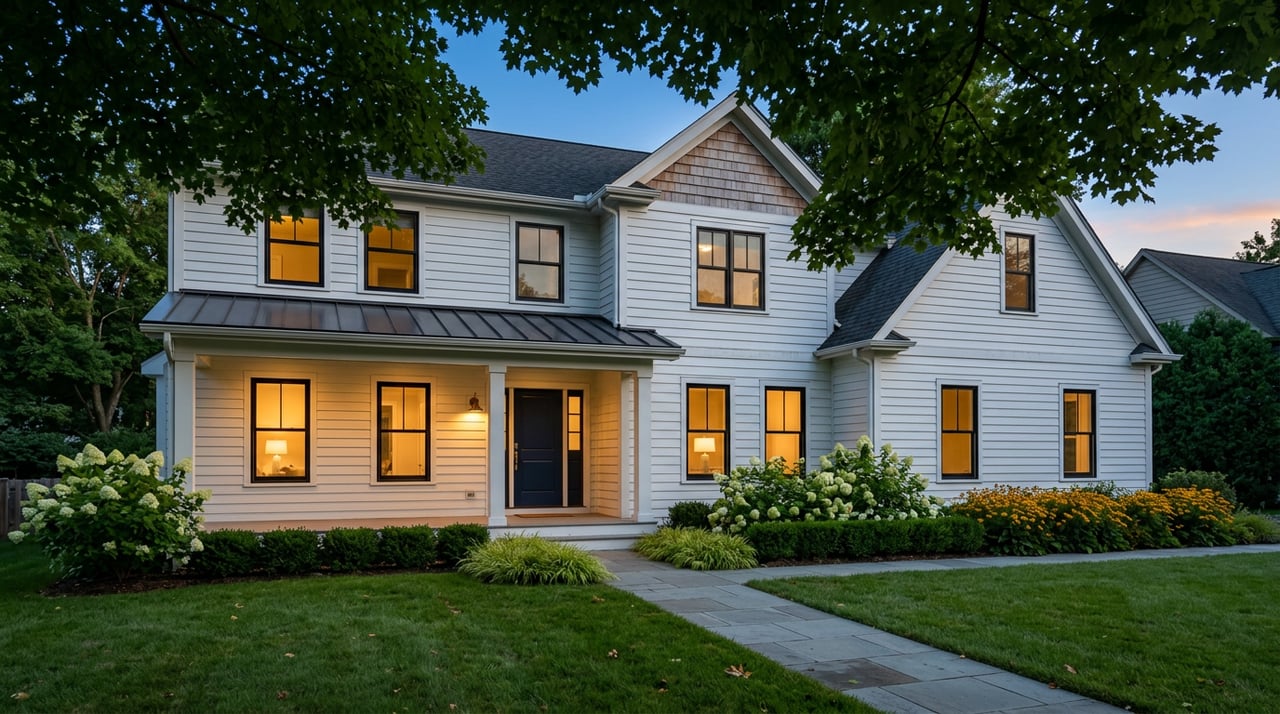
Once your paperwork is underway, turn to the physical presentation of the home. In Lakeville’s current market, your home may get attention quickly, so you want it photo-ready from day one. First impressions still matter, even when demand is healthy.
A strong prep sequence is usually simple. Start by decluttering, then deep clean, fix visible defects, brighten lighting, improve curb appeal, complete any permit-sensitive repairs, and stage the most important rooms. This order helps you avoid doing work twice.
According to the National Association of Realtors’ 2025 Profile of Home Staging, 83% of buyers’ agents said staging made it easier for buyers to visualize a home as a future residence. In the same report, 29% said staging increased the dollar value offered by 1% to 10%, and 49% of sellers’ agents said staging reduced time on market.
Prioritize these spaces first
If you are staging strategically, focus first on:
- Living room
- Primary bedroom
- Kitchen
- Dining room
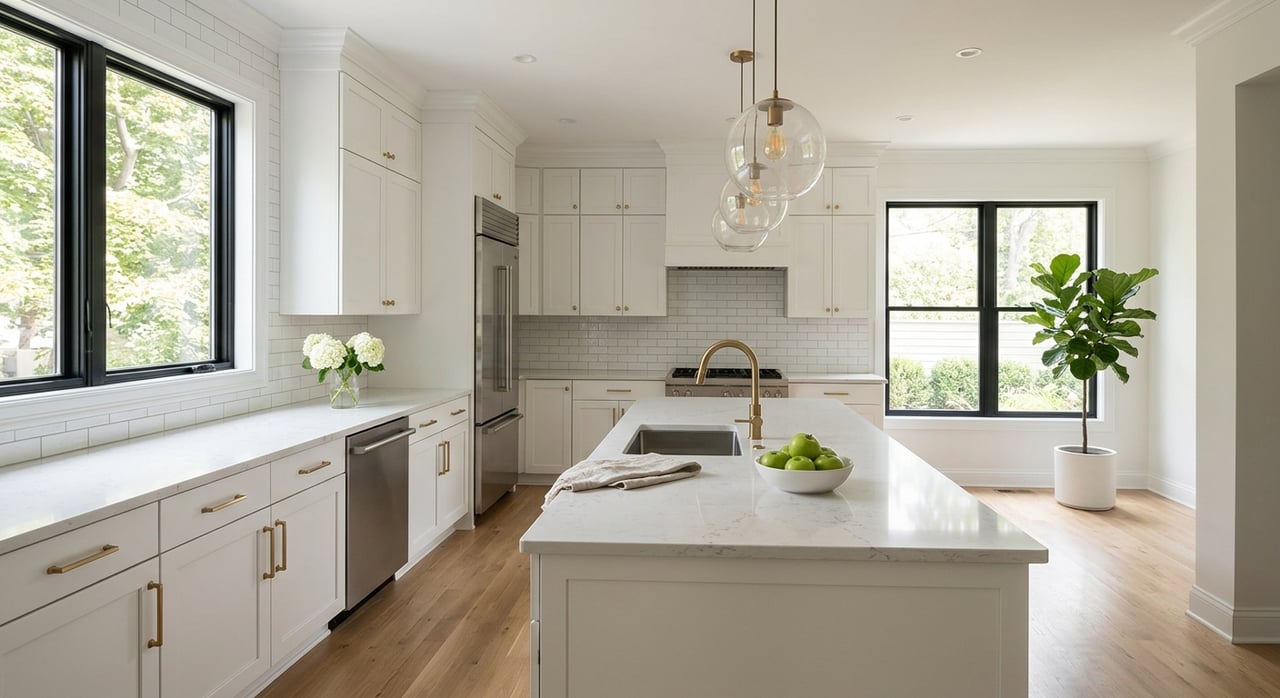
These are the spaces buyers tend to notice most, both in person and in listing photos. Even simple updates like cleaner surfaces, lighter decor, and better furniture placement can make the home feel more open and welcoming.
Prepare for photography and showings
Your online presentation does a lot of the early selling work. Buyers’ agents rated listing photos, traditional staging, video, and virtual tours as highly important in the home search process. That means your home should look consistent both online and in person.
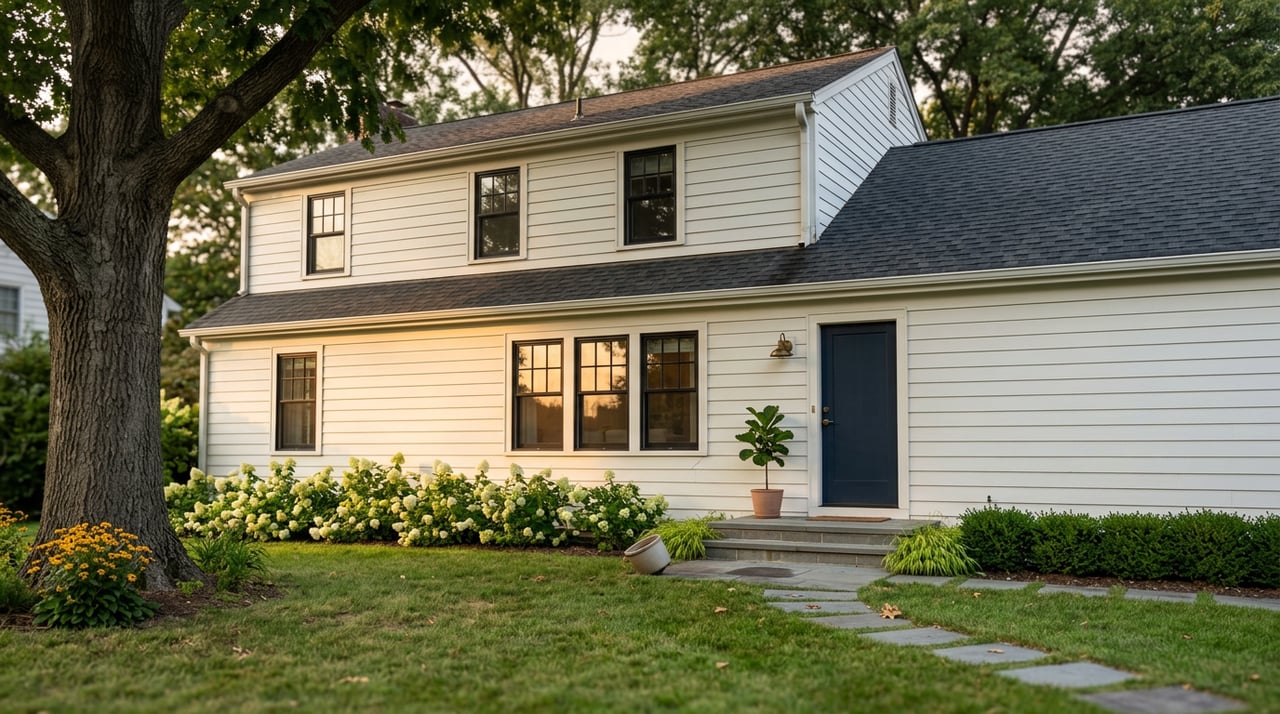
Before photography day, aim for bright lighting, clean counters, tidy floors, and minimal personal items. Outside, keep the entry neat and the landscaping maintained. You do not need perfection, but you do want a home that feels cared for and easy to picture as someone’s next place.
Once your home is active, Lakeville sellers should be ready for showing activity fairly quickly. Redfin described the city as very competitive, and local market snapshots suggest homes are often selling at about asking price on average. Good preparation helps you make the most of that early attention.
Get ready for offers
When offers come in, presentation and pricing often work together. A well-prepared home can support stronger buyer confidence, while clear records and completed disclosures can remove friction. In a market where multiple offers are still possible, being organized matters.
This is also where hands-on guidance can make a big difference. Comparing offer terms is not just about price. Timing, contingencies, and the overall strength of the buyer’s position all affect how smooth your closing may feel.
If you are also buying another home, or helping with an inherited property, coordination becomes even more important. A calm plan can help you weigh your options without feeling rushed.
Use a closing checklist for the final stretch
Once you are under contract, the last phase is all about follow-through. Staying organized now helps reduce stress as closing day approaches. It also helps you avoid leaving small but important tasks until the very end.
Old Republic Title recommends that sellers bring a government-issued ID, any final utility bills, and all keys, garage door remotes, and access codes for the new owner. It also recommends a final deep clean, removing unwanted belongings, and doing a final walk-through to confirm the home is presentable and that agreed repairs are complete.
Final seller closing checklist
Before closing, make sure you have:
- Government-issued photo ID
- Final utility information or bills
- House keys
- Mailbox keys, if applicable
- Garage door remotes
- Alarm codes or smart-home access details
- Manuals or warranty information you want to leave behind
- Confirmation that agreed repairs are complete
- A final clean, with unwanted items removed
This is also a good time to keep your moving plan realistic. Leaving the property clean and empty, unless something was specifically agreed to otherwise, helps support a smooth handoff.
Watch Dakota County recording details
For Lakeville sellers, one of the biggest local closing details is the Dakota County recording process. Transfer deeds must meet county standards, and documents can be rejected or returned if something is incomplete or incorrect. That can delay final recording.
Dakota County notes that recording issues can happen if the Certificate of Real Estate Value, or CRV/eCRV, is incomplete, if taxes are delinquent, if deed tax is incorrect, or if notarization is incomplete. Problems with legal descriptions can also create delays. This is one reason accurate paperwork matters so much throughout the transaction.
The Minnesota Department of Revenue says the state deed tax rate is 0.0033 of net consideration, and the mortgage registry tax is 0.0023 of the debt secured by the mortgage. While sellers are not filling out every county form on their own, it helps to know these details are part of the closing framework.
Special note for homes with wells
If your property has a well, Dakota County requires well disclosure paperwork at transfer. When a well certificate is required, the county charges a $54 well certificate fee. This is an easy item to overlook if you have not sold a property with a well before, so it is worth addressing early.
After closing, keep your final settlement statement, deed, and recording paperwork for your records. These documents can be useful for tax purposes or any questions that come up later.
Why seller prep pays off
A successful sale in Lakeville is rarely about one big move. More often, it comes from a series of smart steps that build on each other, from timing and paperwork to staging, photography, and closing details. When you prepare early, you give yourself more flexibility and fewer surprises.
If your move involves extra layers, like buying and selling at once or handling an inherited home, strong coordination becomes even more valuable. The right support can help you stay focused on the next step instead of feeling buried by the process. Good preparation does not just help your home show better. It helps your entire sale feel more manageable.
If you are getting ready to sell in Lakeville and want calm, practical guidance from pricing through closing, Ann Kent can help you create a plan that fits your timeline and your home.
FAQs
What should Lakeville homeowners do first before listing a home?
- Start by gathering disclosure documents, permit records, radon information, and repair paperwork, then build a prep timeline for cleaning, repairs, staging, and photography.
How long does it take to prepare a Lakeville home for sale?
- A good rule of thumb is to begin 4 to 6 weeks before listing, especially if you need contractor work, staging help, or radon testing.
What disclosures are required when selling a home in Minnesota?
- Minnesota requires a written seller disclosure before signing a purchase agreement, and sellers must also provide radon disclosure information. Homes built before 1978 may also require lead-based paint disclosure.
Do Lakeville home sellers need permit records for past work?
- Buyers may review permit records in Lakeville, so it is smart to gather permits and final inspection sign-offs for major work like roofing, decks, fences, basements, egress windows, porches, pools, and accessory structures.
Should Lakeville sellers test for radon before listing?
- Testing is not required to sell, but the Minnesota Department of Health highly recommends it, and testing before listing can help reduce surprises during negotiations.
What should sellers bring to closing in Dakota County?
- Sellers should bring a government-issued ID, final utility information, keys, remotes, and access codes, while also making sure the home is cleaned out and any agreed repairs are complete.