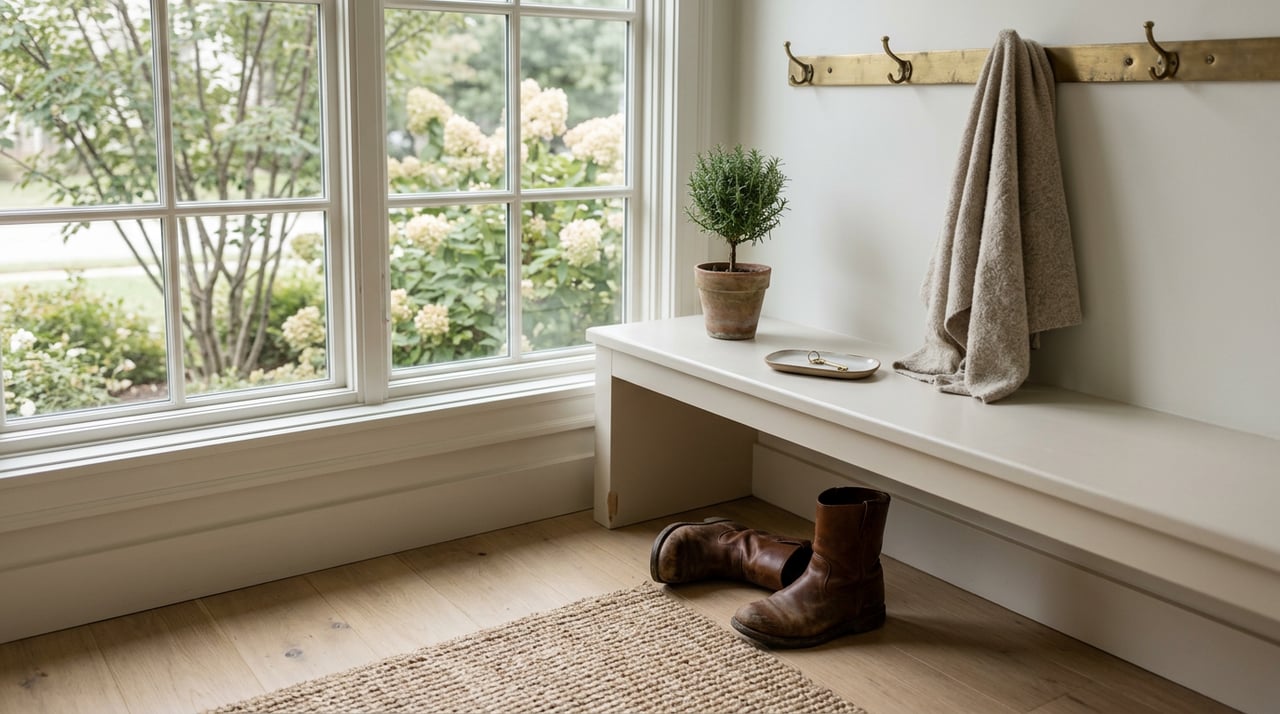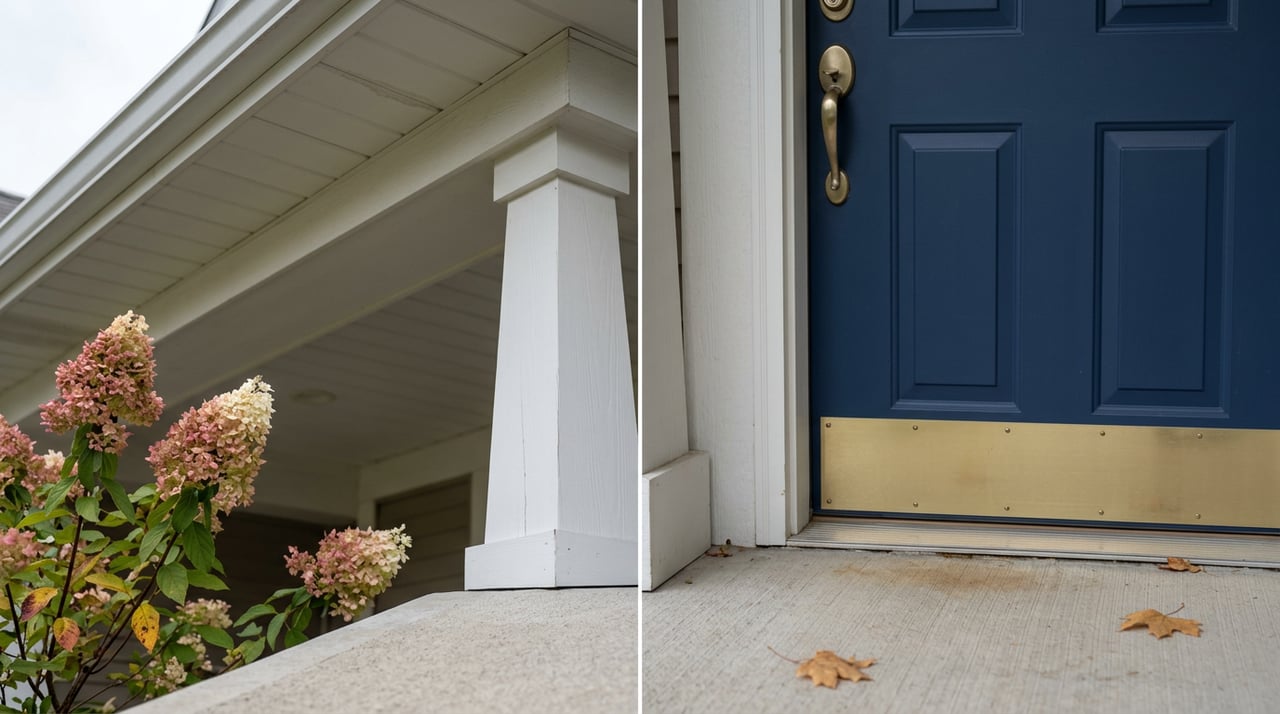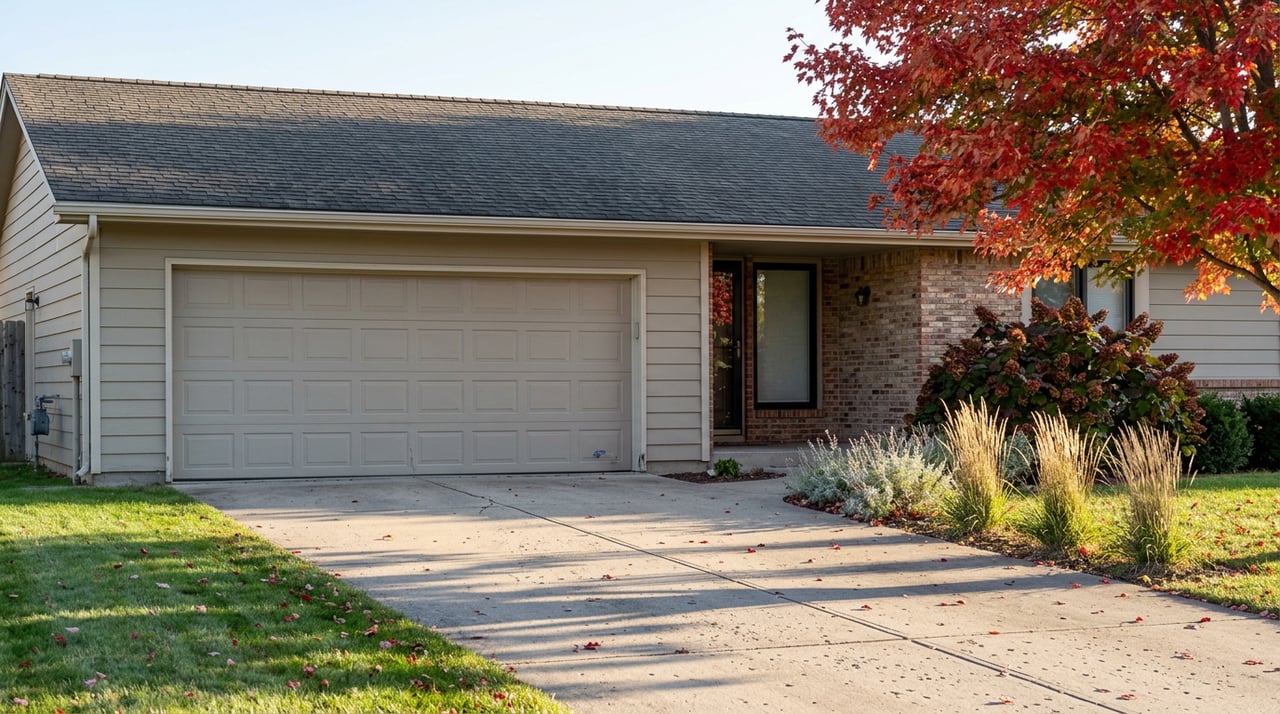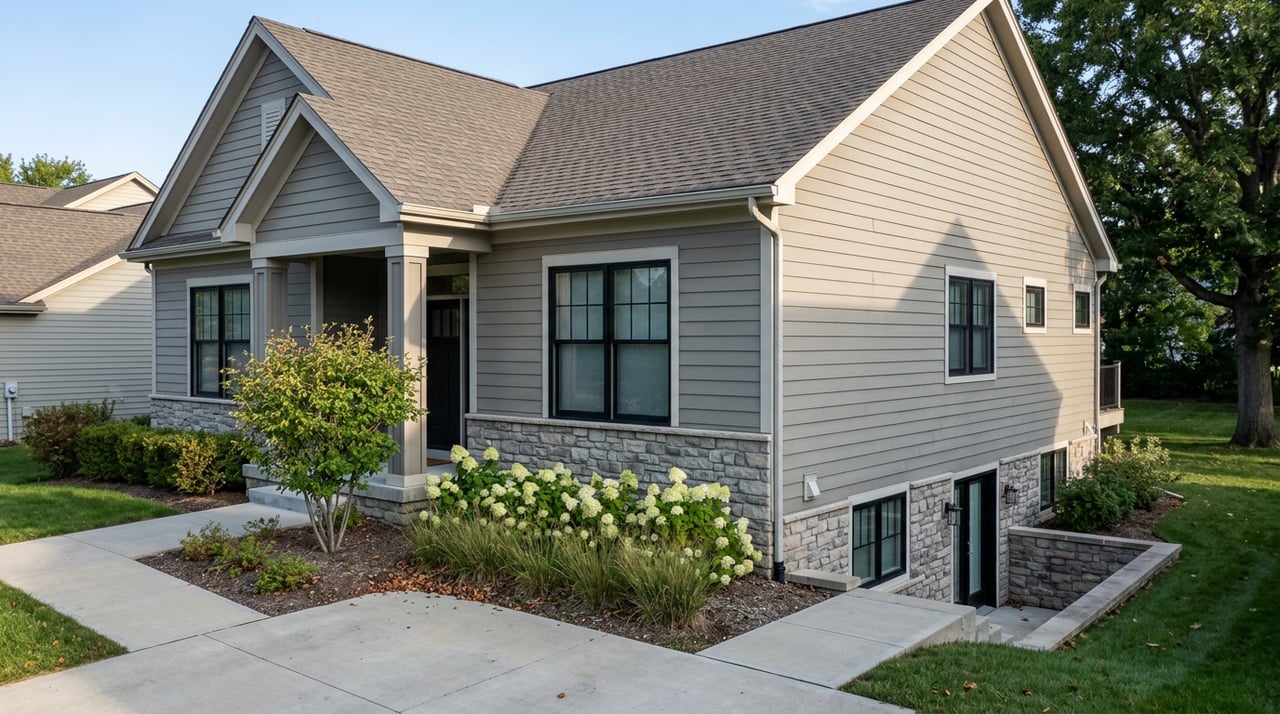
Two homes sit inside the same subdivision along Cobblestone Lake Parkway in Apple Valley. Same lake view, same paved trail, same homeowners association covering the exterior maintenance. One was built in 2006. The other went up in 2009. To a buyer walking through both, they read as nearly identical. To Minnesota's building code, they belong to different eras entirely, and the difference shows up the moment somebody runs a radon test.
Minnesota's statewide building code has required new homes to include passive radon-resistant construction since June 2009, meaning a vent pipe and stack are stubbed in under the slab before the foundation is ever poured. A home finished in the spring of that year got the pipe. A home finished a few years earlier, even one street over in the same development, did not. That single date quietly splits Apple Valley's housing stock into two different radon conversations at closing time, and most sellers do not find out which conversation they are having until a test result lands on the table.
The date that decides your starting point
The mechanism is simple once you see it. In a post-2009 home, the passive pipe is already there, running from below the slab up through the house to the roofline. If a test later comes back elevated, a contractor typically just adds a fan and control panel to the pipe that already exists. According to Minneapolis-area contractor pricing reported by Angi, that kind of upgrade costs less precisely because the hard part, the piping and the penetration through the slab, was done during original construction.
A pre-2009 home has none of that. If radon shows up above the action level, a contractor has to design a system from nothing: locate a suction point, drill through the foundation, run new pipe through finished space or along an exterior wall, and wire in a fan from scratch. Minnesota-based contractors like American Radon Mitigation typically quote these fully-installed active systems in the $1,500 to $2,500 range, and the number climbs further if the home has more than one foundation type, which is common in older Apple Valley properties that added a crawl space addition onto an original basement footprint. Each foundation type needs its own suction point and its own test monitor, so a rambler with a partial crawl space add-on is a more involved job than a single continuous slab.
Here is the comparison in practice:
| Built before June 2009 | Built June 2009 or later | |
|---|---|---|
| Starting infrastructure | No radon-resistant piping required | Passive vent pipe already stubbed under the slab |
| If a test comes back elevated | Full active system designed and installed from scratch | Fan and control panel added to existing pipe |
| Typical Minnesota cost, fully installed | Often toward the higher end, commonly $1,500 to $2,500 | Usually lower, since the piping already exists |
| Added complexity | Multiple foundation types (basement plus later crawl space) require extra suction points and monitors | Rare, since most post-2009 construction uses one continuous foundation pour |
Cobblestone Lake is a useful illustration precisely because it was built out over a span of years that straddles this exact line, so the same neighborhood contains both starting points. An older rambler in one of Apple Valley's established sections near Cedar Avenue, where homes have seen decades of updates layered on over time, sits even more clearly on the pre-2009 side of that divide.
What Dakota County's numbers actually mean here
None of this matters if radon is rare in the area, and it is not. A January 2026 report from Sun Thisweek, citing Dakota County Public Health, put the local rate at roughly two in five tested homes showing elevated radon levels. That is not a scare number pulled from a national average. It is the county's own testing data, and it applies whether the house in question was built in 2005 or 2015.
The Minnesota Department of Health has said the state's radon levels run about three times the national average, driven by regional soil and geology rather than anything a homeowner did wrong. An Apple Valley homeowner named Wesley Navara, quoted in a January 2026 Minnesota Department of Health release, described testing his own home after purchase and finding levels high enough that he chose to install a mitigation system, a decision he said gave him peace of mind about his family's exposure. His experience is common enough that Dakota County keeps a free test kit pickup point open inside Apple Valley itself, at the Western Service Center on Galaxie Avenue, specifically so residents do not have to order a kit online or drive across the county to get one.
The takeaway is not that every Apple Valley home has a problem. It is that testing is common, results run high often enough to matter, and which side of 2009 your home falls on determines what happens next if a number comes back elevated.
The disclosure timing most sellers get wrong
Minnesota's Radon Awareness Act does not simply require that radon be mentioned somewhere in a home sale. It requires the seller to disclose, in writing, any knowledge of radon concentrations before the purchase agreement is signed, not somewhere in the closing packet weeks later. That disclosure has to include whether the home has ever been tested, the results of any prior tests, and documentation of any mitigation system already installed, along with a copy of the state's official radon publication for buyers.
The law does not require a seller to test before listing. It only requires disclosing what the seller actually knows. That distinction matters because it means a seller who has never tested can honestly write "unknown" on the disclosure form and move forward. What that also means is the entire radon question shifts onto the buyer's inspection period, and that is where the second piece of friction shows up.
The 48-hour test inside a 10-day window
A radon test used for a real estate transaction is not something you glance at overnight. State guidance calls for a minimum 48-hour closed-house test conducted by a licensed measurement professional, with the home's windows and exterior doors kept shut and heating or cooling running normally throughout. That is before the sample even reaches a lab for results.
One Twin Cities-area home inspection service that works in Apple Valley notes that a standard purchase agreement inspection contingency often runs around 10 days, which sounds like plenty of time until you count backward: two days for the closed-house test, plus shipping time to the lab, plus the lab's turnaround, plus time for the buyer to actually review results and decide whether to request repairs or a price adjustment. On a pre-2009 home where mitigation would mean building a system from scratch, that timeline compression is exactly the moment a deal can stall, days before anyone expected it to.
For sellers, the fix is not complicated. Testing before listing, while a home is empty of showings and easier to keep closed up, removes the guesswork and gives a buyer real numbers instead of a blank disclosure line. For buyers evaluating an older Apple Valley home, building radon testing into the very first days of an inspection period, rather than waiting to see how the rest of the inspection goes, protects the only thing that is actually scarce here: time.
Where this leaves an Apple Valley seller
If your home was built after 2009, you are likely one fan and a control panel away from a resolved radon question, and that is worth confirming with a test rather than assuming. If your home predates that line, a full active system is a real possibility, and pricing it out before you list, rather than during a tense week of contingency negotiations, keeps you in control of the number instead of reacting to one.
Either way, the question is not whether Apple Valley has radon. Dakota County's own testing data already answered that. The question is which side of 2009 your specific address falls on, and whether you know the answer before a buyer's inspector does.
A short FAQ
Does Minnesota law require me to test for radon before selling my Apple Valley home? No. The Radon Awareness Act requires written disclosure of what you already know, including any past test results, but it does not require testing or mitigation before a sale.
If my home has an existing passive system, do I still need to test? Yes. A passive pipe reduces radon on its own to some degree, but only a test confirms whether levels are low enough or whether a fan needs to be added to make the system active.
How long does a radon test actually take once someone is under contract? Real estate transaction tests require a minimum 48-hour closed-house measurement period, plus time for lab processing, which is why testing early in an inspection period matters more than it might seem.
If you are weighing when to test, how to price a mitigation system into your listing strategy, or simply want a straight answer about what your specific Apple Valley address is working with, The Kent Group can walk through it with you and help you get a clear picture of your home's value before you have to guess.