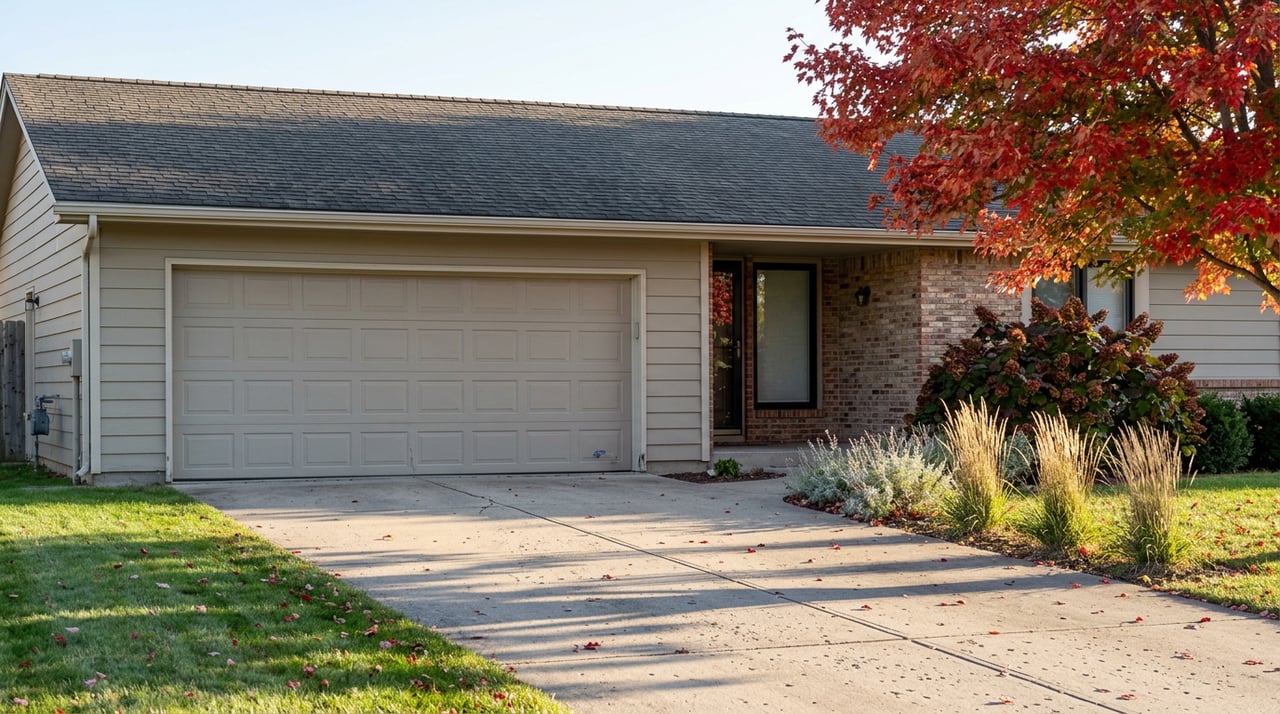
Here is how it usually plays out. A Bloomington seller lists a well-kept three-bedroom rambler, gets an offer within days, and sails through inspection with nothing but the usual small items: a cracked driveway slab, a water heater nearing the end of its run, maybe a roof vent that needs resealing. Everyone signs off. Then, a week or two before closing, the buyer's insurance company sends a letter. It has nothing to do with the roof or the water heater. It says the home cannot be insured, or can only be insured at a steep surcharge, until the electrical panel is replaced.
That letter is not a fluke. It is the predictable outcome of when Bloomington was built.
A city built exactly when the bad panels shipped
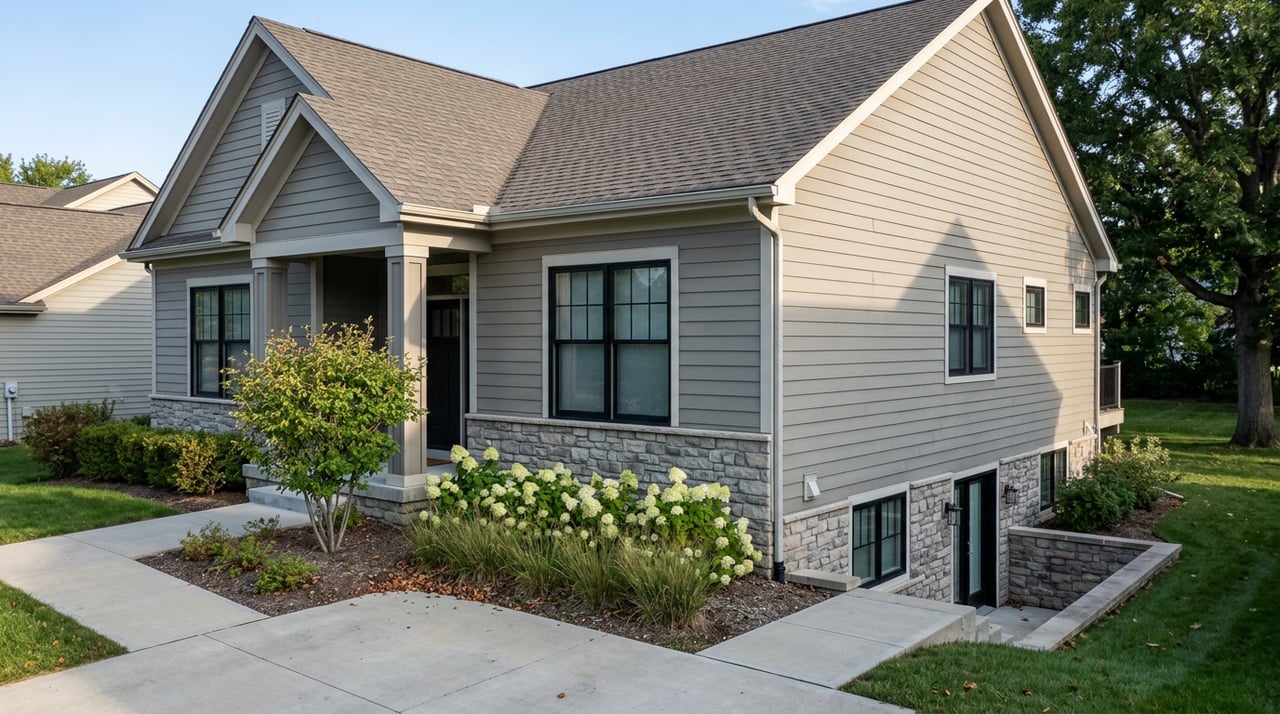
Bloomington's housing stock skews old in a specific way. The city's own housing element describes early growth concentrated in eastern Bloomington, gradually spreading west through the 1970s and 80s, and demographic data puts the median construction year for homes in the city at 1972. Split-entry ramblers, standard ranches, and two-story colonials from that stretch make up the bulk of what is on the market today.
That window matters more than most sellers realize, because it lines up almost exactly with the years Federal Pacific Electric and Zinsco built the two electrical panel brands that the insurance industry now treats as a liability rather than a maintenance item. Federal Pacific's Stab-Lok panels were installed from the 1950s through the 1980s. Zinsco panels, sometimes labeled GTE-Sylvania, were common from the 1950s into the 1970s. A Bloomington rambler built in the median year of 1972 sits squarely inside both windows.
This is not a story about a handful of unlucky houses. It is a story about a city whose defining housing type was built during the exact decades when two of the most flagged panel brands in American residential wiring were standard equipment.
Why insurers care more than the panel's own performance record
A Federal Pacific or Zinsco panel does not necessarily look broken. Lights turn on. Breakers reset. Homeowners can live for decades without an obvious problem. The issue insurers are responding to is a documented failure-to-trip pattern: Stab-Lok breakers have been shown in testing to fail to interrupt power during an overload at a rate far above what a modern breaker should tolerate, and Zinsco's aluminum bus bars are prone to corrosion and arcing that can keep a breaker energized even when it is switched off. Neither company still manufactures panels, and neither issued a formal recall, but electricians and insurance underwriters have treated both brands as a "replace it" category for years.
That gap between "still working" and "underwriting risk" is the part that catches Bloomington sellers off guard. A panel can pass a casual glance and still trigger a non-renewal letter, because the insurer is not asking whether the lights work today. It is asking what happens during an overload five years from now, and pricing that risk into whether it will write a policy at all.
The rebate that sounds like it solves this, and doesn't
Sellers who hear "electrical panel upgrade" often assume there is utility money to offset it. There is, but it does not cover the specific problem most Bloomington ramblers have.
Xcel Energy, which serves most of the Twin Cities metro, does offer a rebate tied to panel upgrades, and it can run up to $1,500 for a qualifying project. The catch is in the fine print: the rebate is built around amperage increases that support electrification, like adding an EV charger or a heat pump, not a straight safety swap of a flagged panel at the same capacity. Replacing a Federal Pacific panel with a modern 100-amp panel because an insurer flagged it does not, on its own, qualify.
Minnesota has also been developing a state-funded Residential Electrical Panel Upgrades program under its Save Energy Minnesota initiative, designed to stack with federal rebates. As of the Department of Commerce's update dated June 12, 2026, the most recent public status check available, that program had not launched and the state had not given an estimated launch date. A Bloomington seller budgeting around a rebate that either does not apply to their situation or does not exist yet is budgeting on the wrong number.
What Minnesota actually asks you to disclose
Once a seller knows the panel type, disclosure stops being optional. Minnesota law requires sellers to reveal known material facts that could adversely and significantly affect a buyer's use of the property, and the standard Seller's Property Disclosure Statement used across the state specifically asks about electrical system condition, including whether the home has fuses or breakers and whether there are any known hazards. If a seller learns something on the disclosure was inaccurate at any point before closing, Minnesota law requires notifying the buyer in writing before the deal closes, not after.
A seller who has already had an electrician confirm a Federal Pacific or Zinsco panel and lists the home without disclosing it is not just risking a renegotiation. They are creating the kind of paper trail a buyer's attorney would look for if something goes wrong later.
Identifying what you actually have
Most homeowners cannot tell from the outside whether their panel is a problem. Here is the general pattern electricians use to flag the two brands most likely to show up in a Bloomington rambler.
| Panel type | What to look for | Typical insurer response |
|---|---|---|
| Federal Pacific / Stab-Lok | Panel door or breaker labels reading "Federal Pacific," "FPE," or "Stab-Lok," often with a red stripe on the breaker toggle | Frequently declined or non-renewed until replaced |
| Zinsco / GTE-Sylvania | Colorful breaker handles (blue, green, red) and "Zinsco" or "Sylvania" branding on the panel cover | Frequently declined or non-renewed until replaced |
| Standard modern panel | Square D, Eaton, Siemens, or similar current manufacturer, no amperage below 100A | Typically insurable at standard rates |
A visual check can give a homeowner a hunch, but only a licensed electrician opening the panel can confirm the brand, the amperage, and whether the wiring behind it needs attention too. Three Rivers Electric, which serves the Twin Cities metro, notes that a plug-in outlet tester can catch reversed polarity or a missing ground at the outlet level, but tells you nothing about what is happening inside the panel itself.
A sequence that avoids the mid-contract scramble
The homes that make it through closing without a late insurance surprise tend to follow the same order of operations, and it starts well before a listing goes live.
- Book a licensed electrician to open the panel and identify the brand and amperage, not just glance at the exterior.
- If the panel is Federal Pacific, Zinsco, or another flagged brand, get a written replacement quote before you list, so the number is known rather than negotiated under pressure.
- Ask the electrician about permit and scheduling lead time, since a panel swap requires a permit and a brief power shutoff coordinated with the utility.
- If you are already planning an EV charger, heat pump, or other electrification project, ask specifically whether that combination qualifies for Xcel's rebate, since the rebate is tied to the amperage increase, not the panel swap alone.
- Complete the work before listing rather than during a buyer's option period, when a ticking clock gives you far less room to shop quotes or negotiate price.
Where this leaves a Bloomington seller
The roof and the furnace get the attention because they are visible and easy to picture failing. The panel sits behind a door in the basement or garage, ignored for decades, until an underwriter who has never seen the house decides it is the reason a policy cannot be written. In a city where the median home was built in 1972, that is not an edge case. It is closer to a coin flip, and the sellers who check before they list are the ones who never find out the hard way.
If you are weighing a sale in Bloomington and want a clear read on what your specific home is up against before it hits the market, The Kent Group can walk through pricing, prep, and timing with you and help line up the right vendors before a buyer's underwriter ever gets involved. Get Home Value to start that conversation.
A short FAQ
Does having a Federal Pacific or Zinsco panel mean my current homeowners policy will be canceled automatically? Not automatically, but it is a documented pattern. Some Minnesota carriers non-renew at the next renewal cycle once a panel brand is identified, either through an inspection, an appraisal, or an underwriting review. It depends on the carrier and the specific policy.
Is replacing one of these panels legally required in Minnesota? No. Neither Federal Pacific nor Zinsco panels were subject to a formal government recall, and there is no state law mandating replacement of an existing installation. The pressure comes from insurance underwriting and buyer financing requirements, not a building code mandate.
If I'm buying a Bloomington rambler and the seller already replaced the panel, what should I confirm? Ask for the permit record and the final inspection sign-off from the electrician, not just an invoice. That documentation is what your own insurer will want to see to confirm the upgrade was done to code and closed out properly.